Skip to content
 EN
EN  DE
DE  العربية



8S Method: What It Is, the 8 Steps, and How It Extends 5S and 6S
The 8S method is a workplace-organization system that adds three pillars (Safety, Security and Sustainability) to the classic 5S (Sort, Set in Order, Shine, Standardize, Sustain). It keeps the lean goal of a clean, ordered, self-sustaining workplace, but widens it to cover people, information and the environment. It is the step after 6S, which added only Safety.
Why is the 8S method important?
A tidy workplace is not the goal in itself. The 8S method matters because disorder hides risk: a blocked exit, an unlabeled chemical, an unlocked terminal, or waste that quietly grows. By making safety, information security and sustainability part of the same daily routine as cleaning and sorting, teams catch those risks during normal work instead of during an audit or an incident.
What are the 8 steps of the 8S method?
The first five come straight from 5S; the last three widen the scope. The eight steps are:
- Sort (Seiri) – Remove what the workspace does not need, so only the useful stays.
- Set in Order (Seiton) – Give every item a fixed, labeled place that is easy to reach and return.
- Shine (Seiso) – Clean the area and the equipment, and use cleaning to spot defects early.
- Standardize (Seiketsu) – Turn the first three into a written standard everyone follows the same way.
- Sustain (Shitsuke) – Keep the standard alive through habit, audits and leadership, not one-off drives.
- Safety – Design out hazards: guards, marked walkways, PPE, accessible emergency stops.
- Security – Protect people, assets and information: access control, locked terminals, data handling.
- Sustainability – Cut waste, energy and material use so the workplace stays efficient over time.
How does 8S differ from 5S and 6S?
It is the same foundation, extended twice. The 5S method organizes the physical workspace with five steps. The 6S method adds Safety as a sixth. The 8S method goes two steps further and adds Security and Sustainability, so the same daily discipline now also covers information and the environment, not just tools and floor space.
One caution: the eighth S is not fixed across companies. Many use Sustainability, but some define the extra pillars as Spirit (teamwork) or Satisfaction. Agree on your definition before you roll it out, so audits score the same thing everywhere.
Where does the 8S method most often fail?
At sustain, and then at the three added pillars. The physical five are visible and easy to launch; safety, security and sustainability are easy to declare and hard to keep. Without a recurring audit that scores all eight, the added pillars fade back into a poster on the wall while the shop floor drifts to its old state.
5S vs 6S vs 8S at a glance
Use this table to place which version a team actually runs.
| Aspect | 5S | 6S | 8S |
|---|---|---|---|
| Steps | 5 | 6 | 8 |
| Focus | Order and cleanliness | Order + safety | Order + safety + security + sustainability |
| Added pillar(s) | — | Safety | Security, Sustainability |
| Covers information security | No | No | Yes |
| Covers waste/energy | Indirectly | Indirectly | Explicitly |
Free 8S Audit Checklist
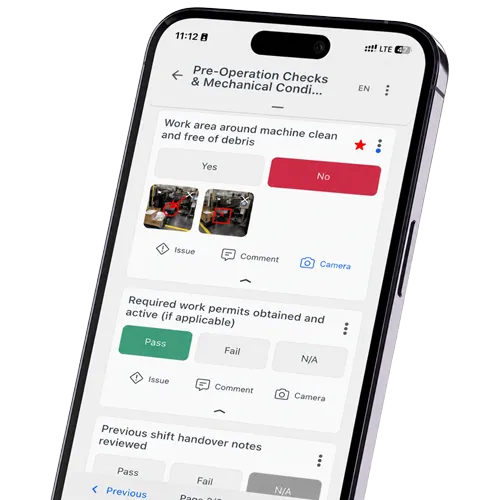
The checklist scores each of the eight S pillars per area with a finding and an action, so the added safety, security and sustainability steps get the same routine follow-up as sorting and cleaning. Download the checklist (PDF). You can also complete the checklist digitally in flowdit on your phone, tablet or PC.
Related Terms
- 5S Audit – how the standard is scored.
- Shopfloor Management – keeps the routine alive on the floor.