Skip to content
 EN
EN  DE
DE  العربية



Root Cause Analysis (RCA): What It Is, the Methods, and Why the First Fix Isn’t The Answer
Root cause analysis is the work of finding why a problem really happened, not just what broke. Fix the symptom and it comes back; fix the root cause and it does not. It is often confused with corrective action, but RCA is the finding and corrective action is the fix that follows.
Why is root cause analysis important?
Root cause analysis stops the same problems from coming back by fixing what actually caused them, not just the visible symptom. Without it, teams keep patching recurring defects, breakdowns and complaints, spending money again and again on problems they think they already solved. It is what turns firefighting into lasting corrective action and continuous improvement.
What methods does root cause analysis use?
- The 5 Whys: keep asking why until you reach the underlying cause rather than a symptom.
- A fishbone (Ishikawa) diagram, sorting causes into people, method, machine, material and more.
- Fault tree analysis, which works down from the failure through its logical causes.
- A Pareto chart, to focus effort on the few causes doing most of the damage.
How is RCA different from a corrective action?
It is the difference between finding and fixing. RCA identifies the underlying cause; the corrective action is what you change so it cannot recur. Skip the RCA and your corrective action treats a symptom, which is why the same defect keeps reappearing. Done properly, RCA feeds the continuous improvement process, and its findings close out through a real fix rather than a note in a log.
Symptom fix vs root cause fix at a glance
Why the quick fix keeps you busy.
| Aspect | Symptom fix | Root cause fix |
|---|---|---|
| Targets | What broke | Why it broke |
| Effort | Fast, repeated | Slower, once |
| Recurrence | Comes back | Stays gone |
| Evidence | A patched line | A closed cause |
Free 5 Whys and Root Cause Worksheet
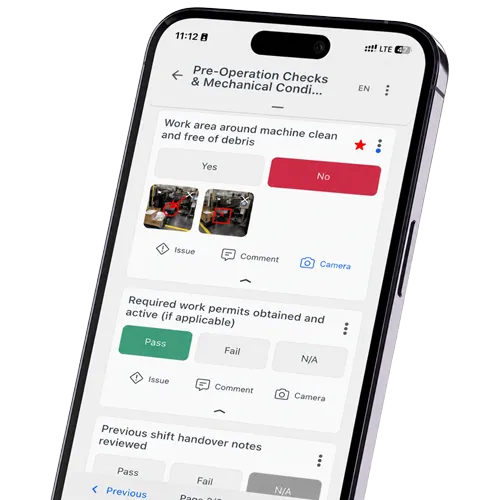
It takes the problem through the 5 Whys, sorts the possible causes, and assigns a corrective action with an owner and a verification step. Download the checklist (PDF). You can also complete the checklist digitally in flowdit on your phone, tablet or PC.
Related Terms
- DPMO – the defect rate RCA drives down.
- Internal Audit – often surfaces the problems to analyze.
- Control Chart – flags the variation worth investigating.
- Troubleshooting