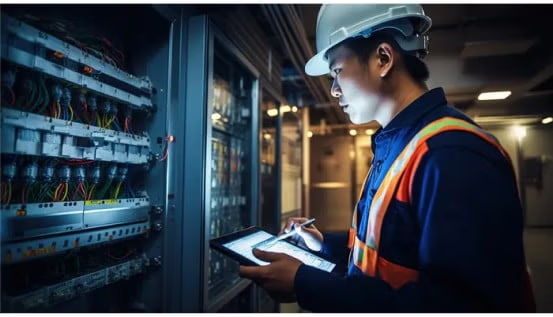
Summary: Commissioning ensures that all systems and components of a building or project are not only designed, installed, and tested but also operated and maintained in line with the owner’s operational goals. It plays a pivotal role in the commissioning team, guaranteeing quality assurance at every stage, from design through construction. Whether for individual systems or full-scale projects, the commissioning process drives consistent progress and long-term reliability, contributing significantly to overall project success. By thoroughly addressing operational needs early on, commissioning reduces risks and minimizes costly errors later in the lifecycle.
What is Commissioning and Its Purpose?
The purpose of commissioning is to optimize the performance of HVAC systems, ventilation, and building operations by systematically verifying and documenting that all project components are installed and functioning correctly. Commissioning reports, commissioning documentation, and commissioning deliverables are key commissioning stakeholders rely on to validate the selection process and ensure proper automation and occupancy of a facility or project.
Definition and Importance of Commissioning
Commissioning is a crucial process that ensures the proper functioning and performance of a building’s systems and equipment according to the project requirements. It involves a series of thorough tests, inspections, and documentation to verify that all components work together efficiently. The importance of commissioning cannot be overstated as it helps prevent costly errors and system failures during operation.
Purpose of Commissioning Process
The main purpose of the commissioning process is to achieve optimal performance, energy efficiency, and occupant comfort in a building. By verifying that all systems operate as intended, commissioning enhances indoor air quality, reduces energy consumption, and prolongs the lifespan of equipment.
Is your commissioning process fully optimized?
Benefits of Proper Commissioning
Proper commissioning provides several benefits, including improved system reliability, reduced operating costs, enhanced occupant satisfaction, and compliance with regulatory requirements. Additionally, it helps identify and rectify deficiencies early on, ultimately leading to a more sustainable and efficient building.
Get your free Commissioning Process Assessment Checklist here
Understanding the Commissioning Process
The commissioning phase is an essential part of the design or construction process, ensuring that systems such as HVAC are reviewed by the owner and tested to verify their functional performance. The commissioning process helps to achieve indoor environmental quality per the design, and throughout the commissioning process, the focus is on verifying equipment and systems to meet the project needs.
Step-by-Step Guide to Commissioning
The commissioning process involves a step-by-step approach that includes planning, design review, installation inspection, functional testing, performance verification, and documentation. Each stage is essential in ensuring that the building’s systems meet the owner’s project requirements and perform as intended.
Types of Commissioning Approaches
There are various commissioning approaches, including new construction commissioning, existing building commissioning, retro-commissioning, and continuous commissioning. Each type caters to specific project requirements and aims to optimize system performance efficiently.
Commissioning Plan Development
Developing a comprehensive commissioning-plan is crucial for the success of the project. The plan outlines the scope of commissioning activities, responsibilities of the commissioning team, and specific project requirements to be met throughout the process.
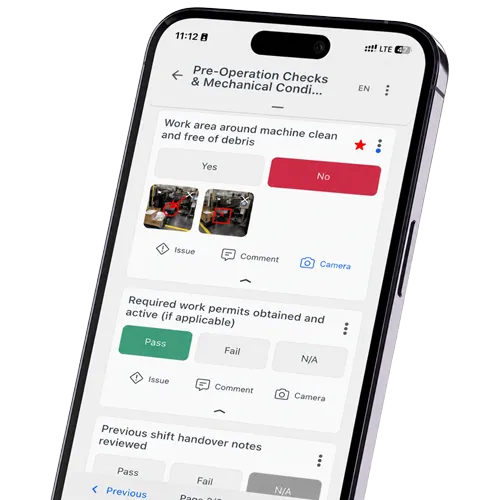
Digital commissioning from punch list to handover.
Track open points, document progress, and hand over faster.
Roles and Responsibilities in Commissioning
Commissioning ensures that building owners receive a properly functioning facility or system that operates as efficiently as possible. The design team is required to provide and review the design, while also conducting functional performance tests and reviewing the testing results.
Commissioning Team Structure and Functions
The commissioning team typically includes representatives from the design, construction, and operations and maintenance (O&M) teams. Each member plays a vital role in ensuring the successful completion of commissioning activities and the proper functioning of building systems.
Collaboration between Design and Construction Teams
Effective collaboration between the design and construction teams is essential for seamless commissioning. By working together from the project’s inception, both teams can address potential issues early on and ensure that the final product meets the owner’s expectations.
Commissioning Provider Selection Criteria
When selecting a commissioning provider, it is crucial to consider their experience, expertise, and track record in delivering successful commissioning services. The provider should have a thorough understanding of the project requirements and be capable of verifying and documenting system performance effectively.
Common Challenges and Solutions in Commissioning
Identifying Deficiencies and Resolving Issues
One common challenge in commissioning is identifying deficiencies in system performance and resolving issues promptly. By utilizing comprehensive commissioning checklists and conducting detailed inspections, project teams can identify and address deficiencies early on, preventing costly rework and delays.
Utilizing Commissioning Checklist Effectively
Commissioning checklists are valuable tools that help ensure all necessary tests and inspections are carried out systematically. By following a structured checklist, project teams can verify that all systems and components meet the project requirements and perform as intended.
Retro-Commissioning for Existing Buildings
Retro-commissioning is a process that focuses on optimizing the performance of existing buildings by identifying and resolving operational inefficiencies. By conducting a thorough assessment of the building systems and implementing corrective actions, retro-commissioning helps improve energy efficiency, occupant comfort, and overall building performance.
FAQ | Commissioning Process
 Skip to content
 EN
EN  DE
DE  العربية