Skip to content
 EN
EN  DE
DE  العربية



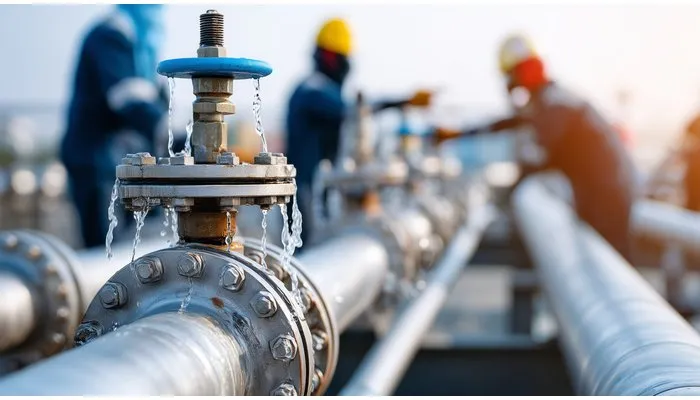
Summary: Equipment failures cost manufacturing operations millions in downtime, repairs, and lost productivity each year. Plant managers, maintenance engineers, and operations managers rarely face random accidents. Most events have identifiable warning signs and preventable root causes. Understanding why equipment fails is the first step toward building more resilient operations. This article explores the underlying factors that drive equipment failure, from design flaws and inadequate maintenance to operator error and environmental stressors. We’ll explore practical prevention methods that build long-term equipment reliability instead of just reacting to problems. Whether dealing with recurring breakdowns or looking to optimize an already solid maintenance program, the insights here will help protect assets and keep production running smoothly.
What is Equipment Failure?
Equipment failure is a condition in which an asset or machine does not work as it should, meaning something is broken. When equipment fails unexpectedly, it can have significant impacts on production schedules, customer satisfaction levels, and product quality. Essentially, it refers to any situation where a piece of equipment cannot perform its intended function properly, whether that’s a complete breakdown or reduced performance that prevents it from meeting operational requirements. Effective equipment maintenance programs can detect early warning signs like vibration, temperature changes, or performance degradation.
When Equipment Breaks Down: Beyond Repair Costs
While the immediate costs of equipment failure are often apparent, the full impact extends well beyond the repair bill:
- Production backlog and schedule disruption: Unplanned downtime creates cascading delays across the entire production schedule, forcing rushed operations to recover lost time.
- Expedited spare parts at premium pricing: Emergency procurement bypasses normal purchasing channels, resulting in inflated component costs and express shipping fees.
- Inventory carrying costs: Finished goods shortages force companies to maintain higher safety stock levels, tying up working capital unnecessarily.
- Equipment lifespan reduction: Repeated failures and emergency restarts accelerate wear on related components, shortening overall asset life and advancing replacement timelines.
- Energy waste from inefficient restart procedures: Bringing equipment back online after failure consumes significantly more energy than normal steady-state operations.
- Insurance premium increases: Frequent equipment failures and resulting claims can lead to higher operational risk assessments and elevated insurance costs.
Why do equipment failures still happen in complex operations?
Maintenance management software software designed to keep critical checks consistent.
Which Types of Equipment Are Most Likely to Fail?
Equipment failures can disrupt operations in any industry. Common equipment categories that are prone to failure:
- Powered mobile equipment: Vehicles and machines that move and operate using engines or motors. Examples include forklifts, excavators, cranes, loaders, and industrial trucks.
- Mechanical process equipment: Fixed systems with moving parts that transform, move, or condition materials. This category includes pumps, compressors, mixers, extruders, centrifuges, and conveyor belts.
- Building systems and utilities: Infrastructure that provides essential services like heating, cooling, power, and fluid distribution. Examples are HVAC units, boilers, chillers, transformers, and cooling towers.
- Non-mechanical static assets: Equipment without moving parts that supports operations. This includes piping, electrical panels, tanks, pressure vessels, valves, and structural frameworks.
Understanding these equipment categories helps you assess risk and develop targeted maintenance programs.
Root Cause Analysis in Practice
After equipment failure, immediate investigation prevents repeat incidents and strengthens reliability. Begin by collecting data from failed components, documenting operating conditions at failure, gathering operator accounts, and securing physical evidence before it degrades or is discarded.
Trace failures to their source using structured analytical methods:
- FMEA (Failure Mode and Effects Analysis): Examines how components can fail, what triggers these failures, and their impact on system performance
- Fishbone Diagrams (Ishikawa): Charts contributing factors across categories such as materials, methods, machinery, and environment
- 5-Whys Technique: Penetrates symptom layers by repeatedly asking "why" until the underlying cause emerges
- Fault Tree Analysis: Employs logic diagrams to map event combinations that produce failure
➤ Integrate historical performance data, maintenance records, and failure reports to identify recurring patterns that indicate systemic issues rather than isolated incidents.
➤ Record findings in a centralized database, execute corrective actions that address the actual cause within a modern CMMS platform, and monitor results through follow-up tracking to confirm that recurrence has been eliminated across your equipment fleet.
10 Common Causes of Equipment Failure in Manufacturing
Identifying failure origins enables manufacturers to reduce risk and refine maintenance approaches. The most frequent causes are:
1. Regular Wear and Tear
Repeated stress and friction degrade mechanical parts over time. Bearings, seals, belts, and similar components deteriorate through normal operation, reducing performance until failure occurs. Scheduled maintenance and component replacement extend service life.
2. Poor Maintenance Practices
Skipped inspections, incorrect lubrication, or ignored minor defects escalate into major failures. Structured preventive maintenance detects developing problems before they cause breakdowns.
3. Lack of Predictive Maintenance (PdM)
Without predictive tools, failures arrive unexpectedly. Real-time monitoring and data analysis reveal abnormalities early, allowing intervention during planned shutdowns rather than forced outages.
4. Operator Error
Inadequate training or deviation from operating procedures damages equipment. Running machinery outside design limits or disregarding safety protocols accelerates degradation and increases failure frequency.
5. Design or Manufacturing Defects
Flaws in design or production create premature failures. Defective parts, unsuitable materials, or substandard fabrication shorten equipment lifespan. Rigorous quality control during design and manufacturing reduces this risk.
6. Environmental Factors
High humidity, corrosive atmospheres, or temperature swings shorten equipment life. Controlling environmental exposure and applying protective measures counters external deterioration.
7. Aging Equipment
Component degradation and technological obsolescence accompany equipment age. Timely upgrades and replacements prevent failures tied to outdated machinery.
8. Overreliance on Reactive Maintenance
Repairing equipment only after failure guarantees unplanned downtime. Preventive maintenance and continuous monitoring reduce failure frequency, severity, and repair costs.
9. Overmaintenance
Excessive maintenance accelerates failure. Overlubrication, unnecessary part changes, or redundant inspections stress components, introduce contaminants, or disturb calibrations, causing premature wear.
10. Human Error
Mistakes during installation, repair, or operation create equipment problems. Thorough training, clear documentation, and adherence to standard operating procedures (SOPs) minimize handling errors.
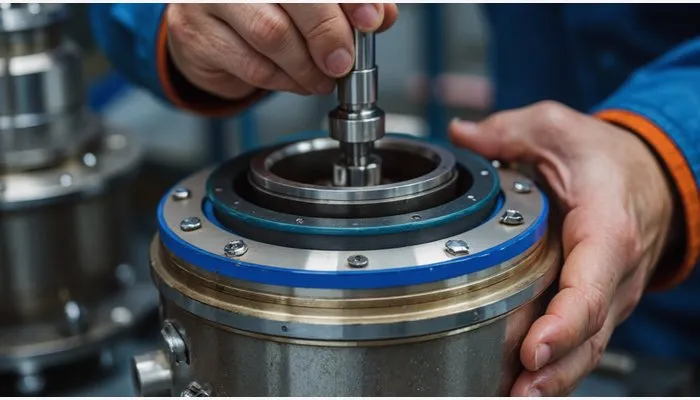
Prevention Methods: How to Avoid Equipment Failures
Most failures trace back to specific causes. Address these directly to cut downtime and prolong asset life.
Routine Maintenance Inspections
Start with daily operator checks and follow up with scheduled technical inspections. Checklists should cover wear points, fluid levels, alignment, and fastener tightness. Digital tools record findings immediately and reveal developing issues through pattern analysis.
Preventive Maintenance
Schedule inspections, lubrication, and component replacements according to manufacturer specifications and operating hours. Replace wear parts before failure. Track maintenance history to refine intervals and eliminate unnecessary work.
Condition Monitoring & Predictive Maintenance
Install vibration sensors, temperature monitors, and IoT devices on critical assets. Set threshold alerts for abnormal conditions: bearing temperatures, vibration patterns, oil contamination levels. Condition-based interventions occur before breakdowns, reducing emergency repairs by up to 70%.
Standard Operating Procedures (SOPs)
Attach detailed SOPs to every maintenance task. Include torque specifications, alignment tolerances, and quality checkpoints. Standardized procedures eliminate variability and deliver consistent maintenance quality regardless of technician experience.
Operator Training & Compliance
Train personnel on proper operating procedures, load limits, and startup/shutdown sequences. Teach recognition of warning signs: unusual noise, temperature rise, vibration changes, or performance drops. Enforce strict compliance: only trained operators handle equipment. For comprehensive training on CMMS and optimizing maintenance workflows, visit our CMMS Training page.
High Quality Inventory
Replace equipment when repair costs exceed 50% of replacement value or failure frequency increases despite proper maintenance. Modern assets provide better diagnostics, energy efficiency, and built-in condition monitoring unavailable in older models.
➤ For practical guidance on maintenance management and failure prevention strategies, see also our article: 5 Steps to Creating an Effective Preventive Maintenance Plan.
Stop Reacting - Start Preventing
If equipment failures drain your operations, examine your current approach. Analyze failure patterns and pinpoint where breakdowns have the most significant impact. Ask yourself: Are you fixing root causes or just treating symptoms? Do your maintenance strategies match actual equipment needs, or do they follow outdated routines that no longer work?Start with small, targeted improvements. You don't need an immediate overhaul. For example, refining lubrication on critical machines, implementing condition monitoring for high-value assets, or establishing regular operator rounds can be effective first steps.
The first step matters most. Small, visible wins build confidence, justify investment, and shift your operation from constant firefighting to structured, reliability-centered maintenance.
flowdit: A Smarter Approach to Equipment Management
Many solutions focus on managing maintenance tasks. Our solution flowdit reshapes your entire maintenance workflow. Monitor assets, assign work orders, and deploy preventive maintenance features that spot problems early and stop failures before they occur.flowdit delivers more than maintenance management software. It functions as an intelligent system that supports proactive maintenance strategies. Real-time data and detailed insights into asset performance allow you to make informed decisions that reduce downtime and increase productivity..
For details on how flowdit can improve your maintenance processes and asset management, contact our team for an initial consultation.
FAQ | Equipment Failure
What’s the difference between random and systematic equipment failures?
Random failures are unpredictable and occur due to external factors or unforeseen issues, while systematic failures result from consistent flaws or repeated operational mistakes. Systematic failures can often be prevented with better design or maintenance practices.
Why do identical machines experience varying failure rates under similar conditions?
Even identical machines can fail at different rates due to subtle differences in manufacturing tolerances, wear patterns, or operational conditions. Variables like operator handling, maintenance frequency, and environmental factors also play significant roles.
What early signs can help you predict upcoming equipment failures?
Early warning signs include unusual vibrations, overheating, strange noises, and decreased performance. Monitoring systems may also detect abnormal pressure, flow, or temperature levels before failure occurs.
How does the lack of standardized maintenance increase failure risks?
Without standardized procedures, maintenance becomes inconsistent, leading to missed checks, improper repairs, or overlooked components. This increases the risk of failure by enabling small problems to go unaddressed.
Which common maintenance mistakes lead to avoidable equipment failures?
Common maintenance mistakes include using incorrect parts, improper calibration, failure to adhere to maintenance schedules, and ignoring early warning signs. These mistakes can quickly escalate into major system failures.
Why does reactive maintenance often create more problems than it solves?
Reactive maintenance often addresses symptoms rather than root causes, enabling underlying issues to worsen. This leads to unexpected breakdowns, higher repair costs, and more downtime compared to proactive maintenance strategies.
What role does “no fault found” (NFF) play in maintenance diagnostics and cost?
“No Fault Found” (NFF) occurs when equipment is tested, but no clear cause of failure can be identified. This can lead to unnecessary repairs and costs, as technicians may replace parts without resolving the actual issue.
What practical steps can you take to reduce unplanned downtime?
Implementing proactive maintenance schedules, using real-time monitoring systems, and conducting thorough training for operators are effective ways to reduce unplanned downtime. Regular audits and performance assessments also help to identify and address potential issues early.
How can digital checklists improve daily operations and prevent equipment failures?
Digital checklists ensure that all maintenance tasks are performed systematically and on time. They provide an easily accessible record of inspections, helping teams follow consistent processes and identify issues before they lead to failure.
When is condition-based maintenance the right investment for your business?
Condition-based maintenance is worth the investment when equipment is complex or operates in critical environments where failures can cause significant downtime or safety risks. It’s particularly effective for assets with fluctuating usage patterns, where traditional time-based maintenance might be inefficient.
How do digital twins help with predicting failures and planning maintenance?
Digital twins create a virtual replica of physical assets, enabling real-time monitoring and simulation of equipment performance. By integrating sensor data, they provide detailed insights into an asset’s condition, identifying patterns that may indicate potential failures.
What immediate actions should you take after an unexpected equipment failure?
Ensure personnel safety and secure the area.
Document the failure, including time, conditions, and symptoms.
Diagnose the immediate cause and assess production impact.
Apply a temporary fix if possible.
Schedule a root cause inspection.
Prepare a report for preventive actions.
Image: Adobe Stock – Copyright: © Olha Havelia