Skip to content
 English
  Deutsch
  العربية



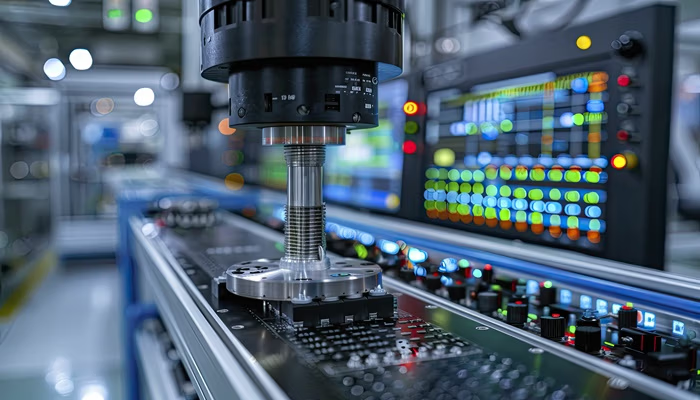
Summary: Predictive maintenance software streamlines maintenance operations by automating tasks and providing oversight. It combines maintenance analytics, preventive maintenance scheduling and asset management features to optimize maintenance planning and execution. By leveraging tools, like sensors and data analysis the software evaluates equipment health to guide maintenance strategies One standout example of maintenance software is Maintenance Connection, known for its range of capabilities including mobile functionality and seamless integration with other systems. It works in tandem with asset management tools to ensure management of both fixed and mobile assets.
What does Predictive Maintenance Software entail?
Predictive Maintenance Software refers to a type of application or platform that utilizes data analytics, machine learning, and artificial intelligence (AI) to predict when equipment or machinery is likely to fail. By analyzing historical data, real-time sensor data and other relevant information, predictive maintenance software can identify patterns and trends that indicate potential failures or performance degradation.
The Importance of Preventive Maintenance
Before delving into the details of maintenance software lets explore the concept of maintenance. Traditionally repairs or replacements were done reactively after machine failures occurred, resulting in increased downtime, higher costs and lower productivity. To tackle these issues preventive maintenance practices were introduced. Scheduled maintenance activities, known as maintenance aim to prevent equipment failures and enhance performance. This approach relies on set maintenance schedules and past data. However it has limitations as it doesn’t consider the state of the equipment or real time information leading to maintenance or unexpected breakdowns.
How do you prevent unplanned downtime?
Our CMMS software enables predictive maintenance to reduce failures and lower costs.
Introducing Predictive Maintenance
Maintenance elevates maintenance strategies using data analytics and real time monitoring tools. It employs algorithms and machine learning methods to anticipate equipment failures and recommend maintenance based on the current equipment condition. This proactive method helps companies identify issues before they cause downtime or breakdowns.
The Role of Predictive Maintenance Software
Effective implementation of maintenance strategies heavily depends on maintenance software. This software gathers real time data from sources like sensors and monitoring devices analyzing it to spot patterns and irregularities. By monitoring equipment performance the software can detect signs of impending failures and offer actionable insights to maintenance teams.
flowdit uses AI-powered analytics to predict equipment failures and provide actionable insights, preventing unplanned downtime. This enables proactive maintenance, improving reliability and minimizing production interruptions.
Advantages of Predictive Maintenance Software
Predictive maintenance software brings numerous benefits that can significantly impact a businesss financial performance. Lets delve into some of the benefits it offers;
1. Decreasing Downtime and Equipment Failures
An advantage of predictive maintenance software is its ability to minimize downtime and equipment failures. By identifying issues on companies can plan maintenance activities during scheduled downtimes avoiding sudden breakdowns that disrupt operations. This proactive approach enhances equipment reliability. Prolongs its lifespan.
2. Streamlining Maintenance Costs
Predictive maintenance software streamlines maintenance costs by eliminating tasks and reducing maintenance. With real time data and analytics companies can prioritize maintenance tasks based on urgency and allocate resources. By addressing problems before they worsen businesses can avoid emergency repairs. Unplanned downtime.
3. Enhancing Productivity and Asset Performance
Through the integration of maintenance software companies can boost productivity and asset performance. Regular upkeep activities and timely repairs ensure that equipment functions, at efficiency minimizing interruptions and maximizing output. This results, in productivity, better product quality and increased customer satisfaction.
Top 10 Predictive Maintenance Software Providers
AI Predictive Maintenance is a strategy that uses data analysis to forecast equipment failures. These insights enable maintenance activities to be scheduled before breakdowns occur, helping to reduce downtime and avoid unexpected repairs. A range of software providers support this approach, each with different strengths and technical focuses.
flowdit
flowdit is a powerful inspection checklist platform for mobile inspections and audits. It supports quality management, maintenance workflows, regulatory compliance, and structured resource allocation. flowdit integrates seamlessly with existing business systems, including webhooks, Amazon S3, Azure Cloud, ERP, MES, CAQ, and sensor data sources. flowdit does provide a free version.
IBM Maximo
IBM Maximo is an enterprise asset management (EAM) platform designed to monitor and manage equipment, facilities, and inventory. Its predictive maintenance functionality analyzes sensor data and other operational inputs to detect potential equipment issues early, automatically generating alerts and maintenance work orders.
SAP Predictive Maintenance and Service
SAP Predictive Maintenance and Service is a cloud-based solution within the SAP ecosystem. It uses machine learning and advanced analytics to predict equipment failures and integrates with SAP ERP and SAP S/4HANA to provide a comprehensive view of asset health and maintenance activities.
Oracle Enterprise Asset Management
Oracle Enterprise Asset Management provides EAM capabilities to monitor and control equipment, facilities, and inventory. By analyzing sensor and operational data, the software anticipates malfunctions, issues alerts, and supports proactive maintenance scheduling.
Infor EAM
Infor EAM is an EAM solution with predictive maintenance features that leverage sensor data and operational information to identify potential equipment failures and generate maintenance notifications and work orders.
IFS Enterprise Service Management
IFS Enterprise Service Management offers EAM functionality that monitors all relevant asset data. By combining sensor inputs with operational context, the platform identifies emerging issues and triggers structured maintenance workflows.
Schneider Electric EcoStruxure Asset Advisor
Schneider Electric EcoStruxure Asset Advisor is a cloud-based maintenance solution within the EcoStruxure platform. It applies machine learning and advanced analytics to identify equipment anomalies and integrates with Schneider Electric solutions such as Power Monitoring Expert and Building Management Systems.
Siemens MindSphere
Siemens MindSphere is a cloud-hosted industrial IoT platform offering predictive maintenance capabilities. Using analytics and machine learning, it detects equipment failures and integrates with Siemens Digital Industries and PLM solutions for end-to-end asset visibility.
GE Digital APM
GE Digital APM is a cloud-based asset performance management solution that uses advanced analytics and machine learning to identify equipment risks. It integrates with GE Digital platforms such as Predix and Proficy to support data-driven maintenance decisions.
Uptake
Uptake is a predictive maintenance software provider that uses machine learning and advanced analytics to identify potential equipment failures. The platform supports holistic asset management across equipment, facilities, and inventory and integrates with enterprise systems such as ERP and CRM.
Assessing Key Features
When evaluating predictive maintenance software options focus on the features that align with your maintenance objectives. Seek out functionalities like real time monitoring, predictive analytics, work order management, asset performance tracking and integration capabilities with systems. The software should offer insights and practical suggestions for your maintenance team.
Compatibility with Existing Systems
Take into account the compatibility and integration features of the maintenance software with your systems. Smooth integration facilitates data transfer. Allows you to utilize data from various sources effectively. It is crucial to confirm that the software can integrate with your existing CMMS (Computerized Maintenance Management System) or other pertinent systems to streamline your maintenance processes.
Recommendations for Implementation of Predictive Maintenance Software
To maximize the benefits of maintenance software businesses should adhere to best practices during implementation. Here are some important practices to keep in mind;
Establishing a Proactive Maintenance Approach
Prior, to deploying maintenance software establish a maintenance strategy. Set goals, define maintenance targets and align them with your business objectives. Identify the performance indicators (KPIs) you wish to monitor through the software. A proactive approach lays the groundwork, for implementation. Ensures that you get the most out of the software.
Utilizing Predictive Analytics
Make use of the softwares predictive analytics features. Train your maintenance team to interpret the insights provided by the software accurately. Encourage them to utilize analytics to evaluate equipment performance spot potential issues and plan maintenance tasks accordingly. By harnessing data analytics businesses can make informed decisions. Enhance their maintenance operations.
Empowering the Maintenance Team
Engage your maintenance team from the start of implementation. Offer training and resources to ensure they feel confident using the software. Foster. Open communication within the team to exchange insights and best practices. Equipping your maintenance team with tools and knowledge will empower them to embrace the software and contribute to its success.
The Future of Predictive Maintenance Software
The realm of maintenance software is continually evolving, fueled by advancements and shifting business requirements. Here are a couple of trends that will influence the future of maintenance;
The Emergence of IoT in Maintenance Operations
The Internet of Things (IoT) is transforming maintenance operations by enabling real time data collection, from equipment and sensors. The integration of IoT, with maintenance software enables accurate and timely data analysis resulting in even more precise predictions and proactive maintenance. Companies are expected to embrace enabled devices and sensors to improve their maintenance strategies.
Cloud Based Predictive Maintenance Solutions
Cloud based predictive maintenance solutions provide benefits, such as scalability, accessibility and cost effectiveness. These solutions enable companies to securely store and analyze amounts of data simplifying the implementation of maintenance on a larger scale. Additionally cloud based solutions facilitate collaboration and data sharing, among maintenance teams irrespective of their locations.
Ready to streamline your maintenance operations with predictive insights?
Discover how flowdit can optimize your predictive maintenance strategy with AI-powered checklists and real-time data analysis. Request a free demo today and stay ahead of the curve.
FAQ | Predictive Maintenance Software
Can any business benefit from predictive maintenance software?
Yes, predictive maintenance software can benefit businesses of all sizes and across various industries. It helps optimize maintenance operations, reduce costs, and improve asset performance.
How does predictive maintenance software help in reducing maintenance costs?
Predictive maintenance software enables businesses to detect potential issues before they lead to costly breakdowns. By scheduling maintenance activities during planned downtimes and addressing issues proactively, businesses can reduce emergency repairs and lower maintenance costs.
Plant maintenance software plays a key role in this process by providing real-time monitoring, historical data analysis, and automated alerts, helping maintenance teams optimize resource allocation and extend asset lifespan.
What role does data analytics play in predictive maintenance?
Data analytics is at the core of predictive maintenance software. It collects and analyzes real-time data from equipment and other sources to identify patterns, anomalies, and potential failures. Data analytics provides actionable insights that help maintenance teams make informed decisions and optimize their maintenance strategies
What role does AI play in predictive maintenance?
AI plays a critical role in predictive maintenance by analyzing historical and real-time data to predict when a machine is likely to fail. By leveraging machine learning, AI can improve accuracy and help businesses proactively address issues before they cause disruption, ensuring smooth operations.
Is predictive maintenance software suitable for small businesses?
Yes, predictive maintenance software can be beneficial for small businesses as well. While larger organizations may have more complex maintenance operations and a larger volume of equipment to manage, small businesses can still benefit from the proactive approach of predictive maintenance. It helps them optimize their maintenance resources, reduce downtime, and minimize unexpected equipment failures.
A mobile CMMS is often a better fit for small and medium-sized businesses, as it provides a cost-effective, flexible, and easy-to-implement solution that allows maintenance teams to manage tasks on the go without requiring extensive IT infrastructure.
What makes flowdit both a CMMS and a predictive maintenance software?
flowdit combines the strengths of CMMS software and predictive maintenance in one platform. It streamlines maintenance planning, work order management, and asset tracking while leveraging real-time data and AI to predict failures before they occur.
How can I choose the best predictive maintenance software for my company?
When choosing the best predictive maintenance software for your company, consider factors such as your maintenance needs, the specific features and functionalities required, and the compatibility with your existing systems. It’s essential to evaluate different software options, request demos, and gather feedback from users to make an informed decision. Additionally, consider the reputation and track record of the software provider, as well as their customer support and training offerings.
Image: Adobe Stock – Copyright: © Manyapha – stock.adobe.com