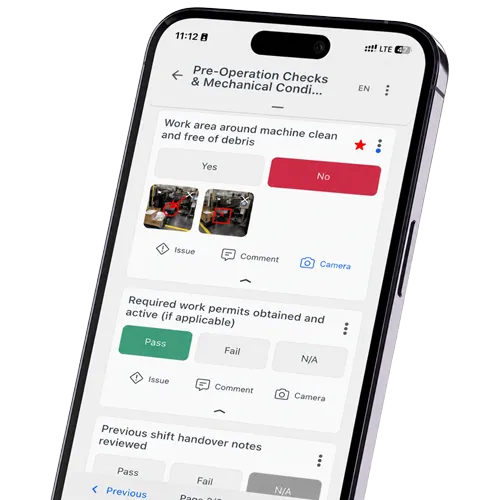
Summary: Developing compelling process descriptions is a crucial skill in technical writing. By incorporating clear objectives, sequential steps, safety measures, real-time examples, and standardized terminology, you can create process descriptions easily understood and followed by your target audience. Consider the target audience’s needs, use active voice and imperative sentences, and add visual aids to enhance comprehension. Regularly review, revise, and seek feedback to improve the clarity and effectiveness of your process descriptions. With these process documentation best practices in mind, you can create process descriptions that empower users to execute tasks accurately and efficiently.
Recognizing the Significance of Process Descriptions
Before delving into specifics let’s first grasp what a process description entails. It’s a written document that outlines the actions or steps needed to achieve a result. These descriptions systematically explain how things operate guiding readers through each stage of the process. They are commonly used in writing to convey procedures, workflows, or instructions. A crafted process description can be the key to execution as opposed to confusion. These descriptions should use active voice emphasizing actions, over actors while using concise language to detail every step. Every task involves stages that collaborate to reach an objective. Start by outlining the stages and then delve into each one to provide guidance.
The Significance of Technical Writing
Writing plays a role, in communicating intricate information clearly and succinctly. It empowers readers to grasp and carry out tasks accurately preventing misunderstandings or mistakes that may result in inefficiencies or safety risks. A crafted process description is beneficial for users equipping them with the knowledge and direction needed to perform duties proficiently.
Clarifying Guidelines and Requirements
Another crucial aspect of process descriptions is their capacity to elucidate guidelines and requirements. By offering a breakdown of the steps involved technical writers guarantee that readers comprehend what is required of them. This transparency assists users in navigating the process reducing confusion or uncertainty.
Components of an Effective Process Description
To develop process descriptions it’s crucial to include components that improve clarity and utility. Let’s delve deeper into these components;
1. Precise Goals and Boundaries
A strong process description commences, with goals and a defined scope. Clearly articulate what the process intends to accomplish and the specific parameters within which it operates. This enables readers to grasp the purpose and context of the process facilitating understanding and implementation.
2. Steps Arranged in Order
It’s important to present the steps, in a sequential manner when describing a process. Make sure the steps flow smoothly allowing the reader to follow along easily. Using bulleted lists can make the description more reader-friendly.
3. Addressing Safety Concerns
Many processes involve hazards or safety considerations that need to be taken into account. A crafted process description should include a section that identifies these hazards and explains the safety measures to minimize risks. This not only ensures the reader’s safety but also emphasizes the importance of adhering to proper procedures.
4. Illustrating with Real-Life Examples
Incorporating real-time examples can greatly enhance readers’ understanding of the process. By connecting the steps to scenarios or industry-specific situations readers can better visualize how they apply in real-world settings. This approach boosts reader engagement. Facilitates a comprehension of the process.
5. Utilizing Consistent Terminology
Maintaining consistency and using terminology are key in process descriptions. Employing industry terms, acronyms, or abbreviations that are commonly recognized helps readers navigate through the content with ease reducing confusion and enhancing clarity. Including a glossary, at the end of the document can further support readers in grasping any specialized language used.
How do you ensure that process descriptions remain clear and up to date?
Writing Effective Process Descriptions
Process descriptions share their building blocks with a related document. Before moving on to writing advice, it is worth looking at the components of a work order, which authorizes a single job rather than describing the standard.
1. Identifying the Target Audience
Before you begin writing it’s important to understand who your target audience is. Take into account their knowledge, familiarity with the topic, and any specific needs or limitations they might have. Adapting your language and approach to suit your audience ensures that the process description is accessible and relevant to them.
2. Organizing the Process Description
An organized process description commonly found in manuals or educational materials follows a logical format to help readers grasp the process easily. It typically starts with an introduction that provides an overview and sets the context before detailing the steps in order. Each step is clear. Easy to follow, similar, to guides. In this talk, we will concentrate on describing the manufacturing process of producing ice cream. The analysis of this process will cover aspects that contribute to testing and simulating products.
3. Using Active Voice and Imperative Sentences
Employ active voice and imperative sentences to make your process description more lively and actionable. Using active voice highlights the person performing the action making instructions more straightforward and concise. Imperative sentences begin with a verb creating a tone that encourages readers to take action.
4. Highlighting Points and Critical Steps
It’s crucial to emphasize points and critical steps in the process description. Employ formatting techniques, like italic text, bullet points, or numbering to draw attention to these elements. This allows readers to quickly spot information and ensures they don’t miss steps.
5. Utilizing Visual Aids and Diagrams
Visual aids and diagrams can greatly enhance the clarity of your process description. Visual representations help readers visualize steps understand connections between components or grasp the flow of the process. Incorporate labeled diagrams, flowcharts, or illustrations as needed to complement your written instructions.
Still managing operations with paper and Excel?
Digitize inspections, audits, SOPs, and corrective actions.
Revising and Editing the Description
After drafting your process description take time to review and revise it thoroughly. Focus on the clarity of instructions, sequence of steps, and overall readability of the document. Consider seeking input from colleagues or experts, in the field for accuracy and comprehensibility. Iterative revisions will refine your description and enhance its effectiveness. Here are some written examples of process descriptions to illustrate the points discussed;
Creating Ice Cream
Goal; This process description outlines the steps, for making ice cream starting from ingredients to the final packaging. Start by preparing the ice cream base, which involves mixing milk, cream, sugar, and flavorings in a mixing bowl.
The Coating Process in Manufacturing
Goal; This description outlines the steps involved in creating a coating for metal parts.
The Boiler Operation Process
Purpose: this description outlines how to operate a boiler in an industrial environment. Inspect the boiler for leaks, corrosion, or damage. Check that the water level is within the recommended range and top it up if needed. Verify that sufficient fuel is available for operation.
Open the fuel supply valve. Ignite the burner according to the manufacturer’s procedure. Monitor boiler pressure and temperature, and adjust as necessary to stay within operating conditions. Inspect the combustion chamber, flue passages, and heat exchanger at defined intervals to prevent soot or debris buildup. Test the safety controls (pressure relief valve, low water cutoff, and flame safeguard system) at the intervals specified for the installation. Carry out water treatment and blowdown procedures to preserve water quality and prevent scale or corrosion. Record the operating parameters (pressure, temperature, and fuel consumption) together with any maintenance or repair work carried out. Follow the applicable safety protocols throughout: personal protective equipment (PPE) and lockout/tagout during maintenance or repairs.
Enhancing Your Process Descriptions
To improve your process descriptions, keep these tips and best practices in mind:
1. Making It Clear and Concise
Make sure your process descriptions are easy to understand and to the point. Avoid language or technical terms that might confuse readers. Where a step covers several actions, split it into separate steps. Bullet points or numbered lists also make the text more reader-friendly.
2. Spotting Potential Confusion Points
Think like your readers. Identify areas that could be confusing or unclear, and address them directly in your process descriptions by offering explanations or clarifications where needed. Consider adding troubleshooting tips or highlighting common mistakes to help readers navigate through challenges.
3. Working with Experts in the Field
For specialized processes, collaborate with subject matter experts (SMEs) when writing process descriptions. SMEs can offer expert insights to ensure accuracy and provide a deeper understanding of the subject matter. Their input can greatly improve the quality and effectiveness of your descriptions.
4. Taking User Feedback into Account
Seek feedback from users who have worked with your process descriptions. Their input can point to gaps or passages that need clarification. Incorporate that feedback when refining your descriptions so they match the expectations and requirements of your target audience.
5. Keeping Up with Industry Standards
Stay informed about the standards, recommended methods, and regulations that apply to the procedure you are describing. Work any revisions into your procedure descriptions so they remain accurate and compliant, and review your documents on a fixed schedule rather than when someone happens to notice.
FAQ | Process Descriptions
 Skip to content
 EN
EN  DE
DE  العربية