Skip to content
 EN
EN  DE
DE  العربية




Summary: In a highly competitive market today, ensuring that your product is of the best in class and will satisfy your customer’s changing needs is everything. Layered process audits (LPAs) are one of the most popular methods for organizations pursuing this vision. LPAs help with holistic quality management, as they are performed at all levels of manufacturing at periodic intervals. This systematic way of working follows standards of quality and mends an environment of accountability in the organization.
What Are Layered Process Audits?
Layered Process Audits (LPAs) systematically control quality by regularly and thoroughly inspecting critical organizational processes. Conducted at various organizational levels, LPAs ensure continuous quality monitoring at every step, unlike traditional audits performed at the end of a production cycle.
The Purpose of LPAs
The primary purpose of LPAs and manufacturing audits is to identify and prevent defects or quality issues before they reach the customer. Organizations can proactively address potential problems, reduce waste, and improve overall product and service quality by conducting audits at different levels.
Key Components of LPAs
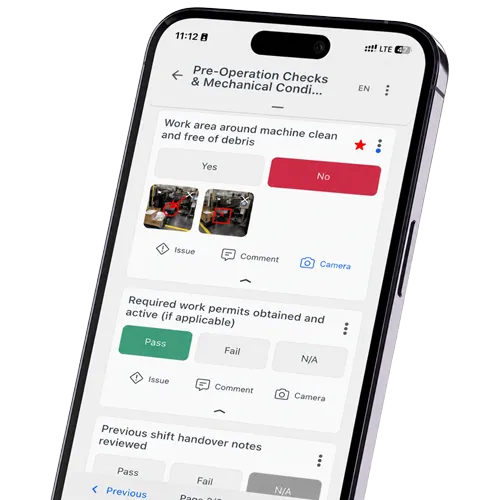
LPAs typically involve a structured checklist that auditors use to evaluate process adherence and identify deviations or non-conformances. These checklists cover critical process steps, key performance indicators, and specific quality requirements.
Are your audits running at peak efficiency?
Make Layered Process Audits more efficient with Audit Management Software.
How to Conduct Layered Process Audits
Layered Process Audits (LPAs) are an effective way to ensure quality control by regularly inspecting critical processes within an organization. Conducting LPAs involves a systematic approach that requires careful planning, execution, and analysis. In this section, we will outline the step-by-step process of conducting LPAs.
Step 1: Identify Critical Processes
To begin, it is essential to identify the critical processes within your organization that significantly impact product quality and customer satisfaction. These processes may vary depending on your industry and the nature of your business. Examples of critical processes can include assembly, testing, packaging, and shipping.
Step 2: Develop Audit Checklists
Once the critical processes are identified, developing comprehensive audit checklists is next. These checklists should outline the criteria for evaluating process adherence, quality requirements, and performance indicators. To ensure its effectiveness and relevance, it is crucial to involve subject matter experts and frontline employees in the checklist development process. The checklist should be clear, concise, and easy to follow.
Step 3: Train Audit Teams
To conduct LPAs successfully, your organization must thoroughly train the audit teams. Auditors should receive training on the audit process, checklist interpretation, data collection, and effective communication of audit findings. Training should also focus on developing interpersonal skills to engage with employees during the audit process. This will help auditors build rapport and create an environment of trust and collaboration.
Step 4: Schedule and Conduct Audits
Train the audit teams, then establish a regular schedule for conducting LPAs. Determine how often to conduct audits based on the criticality of your processes and business requirements. You can conduct audits weekly, monthly, or quarterly, depending on your organization’s needs.
During the audits, the audit teams should follow the established checklist and evaluate the adherence to process requirements. They should collect data, record non-conformances, and engage with employees to gather insights and address concerns. Maintaining an open and non-punitive approach during audits is crucial to encourage employee participation and transparency. Auditors should be respectful, ask clarifying questions, and explain the audit process clearly.
Step 5: Analyze Audit Findings
After conducting the audits, it is essential to analyze the audit findings. This involves reviewing the collected data, identifying trends, and summarizing the non-conformances. Analyzing the data can provide valuable insights into process performance, potential bottlenecks, and areas for improvement. Look for patterns or recurring issues that require attention and prioritize them accordingly.
Step 6: Take Corrective Actions and Track Progress
Based on the audit findings, it is crucial to take corrective actions to address the identified non-conformances. Assign responsibilities for implementing the necessary improvements and establish a timeline for completion. Regularly track the progress of the corrective actions to ensure they are effectively implemented and monitored. This will help drive continuous improvement and prevent the recurrence of similar issues in the future.
Step 7: Monitor and Review
LPAs should be seen as an ongoing process of improvement. Continuously monitor and review the effectiveness of the LPA process. Collect feedback from auditors, auditees, and other stakeholders to identify areas for refinement. Regularly assess the impact of LPAs on quality, customer satisfaction, and process optimization. Adjust the audit checklists and processes to align with changing business needs.
Benefits of Layered Process Audits
The value of an LPA program comes from frequency and coverage. Daily checks by supervisors catch deviations that a quarterly audit never sees, and because several layers look at the same process, a problem missed at one level surfaces at the next. Audit management software supports this by making results reviewable straight after the audit, so improvement actions start while the finding is still current rather than at the next scheduled meeting.
1. Enhancing product quality
Layered process audits play a vital role in maintaining and improving product quality. By conducting audits at multiple stages of the production process, organizations can identify potential defects and errors early on. This proactive approach enables timely corrective actions, minimizing the risk of defective products reaching the market. LPAs also encourage a culture of continuous improvement, leading to enhanced quality standards throughout the organization.
2. Improving customer satisfaction
Satisfied customers are the lifeblood of any business. By implementing layered process audits, organizations demonstrate their commitment to delivering high-quality products. Through regular audits, potential quality issues are identified and rectified before they impact the customer. This proactive approach not only reduces customer complaints but also builds trust and loyalty, enhancing overall customer satisfaction.
3. Identifying process variations
Process variations can significantly impact product quality and consistency. Layered process audits help identify these variations by closely monitoring the production process. By conducting audits at various stages, organizations can detect deviations from established standards and take corrective measures promptly. This proactive approach ensures process stability and minimizes the risk of defects.
4. Preventing defects and errors
Prevention is always better than cure, especially concerning defects and errors. Layered process audits focus on preventing issues rather than detecting them afterward. Organizations can identify potential risks and implement preventive measures through robust auditing procedures. This approach reduces scrap, rework, and warranty costs, significantly saving costs.
Implementation of Layered Process Audits
LPAs cover every area of the organization where products are made, which is what makes the approach to process compliance a comprehensive one. What follows are the three decisions that shape an implementation: how often to audit, who audits at which level, and how the data gets collected.
Defining audit frequency and scope
Organizations must determine the appropriate audit frequency and scope to implement layered process audits effectively. The frequency should align with the criticality of the process and the associated risks. You may need to audit high-risk processes more frequently while auditing lower-risk processes less often. Additionally, you should cover all essential aspects of the process to ensure comprehensive coverage.
Establishing audit teams and responsibilities
Successful implementation of layered process audits relies on competent and dedicated audit teams. Organizations should establish clear roles and responsibilities for auditors at each level. These teams should consist of individuals with a deep understanding of the process and the associated quality requirements. Assigning responsibilities, training auditors, and fostering accountability are key factors in ensuring effective audits.
Conducting audits and collecting data
Organizations can begin conducting layered process audits once they have established audit teams and checklists. Auditors should follow the defined procedures and systematically evaluate the process at each level. During the audits, they should collect and document data to track performance trends and identify areas for improvement. Organizations can also use the collected data for analysis and decision-making.
Still using paper or Excel for quality checks?
Standardize inspections, track actions, keep records.
Best Practices for Layered Process Audits
Successful implementation of LPAs requires a strategic approach, including defining an audit plan and schedule, reviewing audit results, and taking action to improve as necessary. Managers play a crucial role in overseeing the audit process and implementing an LPA program within their respective departments.
Training and educating auditors
Proper training and education are essential for auditors to perform effective layered process audits. Organizations should invest in training programs that enhance auditors’ knowledge of the process, quality standards, and auditing techniques. Ongoing education ensures auditors stay updated with the latest industry practices, enabling them to conduct thorough and meaningful audits.
Standardizing audit procedures
To achieve consistency and comparability across audits, it is crucial to standardize audit procedures. This includes defining clear guidelines for conducting audits, documenting the process, and establishing uniform reporting formats. Standardization eliminates ambiguity and ensures that audits are conducted in a structured and consistent manner, providing reliable data for analysis and decision-making.
Encouraging transparency and open communication
Layered process audits should promote a culture of transparency and open communication. Auditors should feel empowered to report findings, raise concerns, and suggest improvements without fear of retribution. Management should create an environment that values feedback and encourages collaboration between auditors and process owners. Open communication fosters trust and enables the organization to address issues promptly.
Utilizing technology for data management
Audit data is only useful if it can be compared. Software handles the scheduling, the checklist versions and the collection, which is what makes trends across weeks and shifts visible in the first place. Digital platforms simplify audit scheduling, checklist management, data collection, and analysis, and they show results as they come in rather than after the reporting cycle.
Challenges and Solutions
Most LPA programs run into the same three obstacles: people resist the added routine, resources are short, and the checklists go stale. Each has a practical answer, and none of them requires a larger quality department.
Overcoming resistance to change
Implementing layered process audits may face resistance from employees who are accustomed to traditional quality control methods. To overcome this resistance, organizations should focus on communicating the benefits and importance of LPAs. Engaging employees in the process, providing training and support, and demonstrating tangible results can help alleviate concerns and gain buy-in from all stakeholders.
Addressing resource constraints
Limited resources can pose challenges in implementing layered process audits. Organizations should prioritize processes based on their criticality and allocate resources accordingly. Automation takes the administrative part off the auditors: scheduling, reminders, and pulling the results together. Working across functions and drawing on internal expertise eases the constraint further.
Continuous improvement and adaptation
Layered process audits should not be considered a one-time implementation but a continuous improvement journey. Organizations should regularly review and refine their audit procedures, checklists, and training programs to adapt to changing business needs and industry standards. Embracing a continuous improvement mindset ensures that layered process audits remain effective and relevant over time.
Every audit layer on its own schedule
flowdit gives each layer its own checklist and interval, from the shift supervisor’s daily check to the management review. Non-conformances are recorded on the device, assigned with a deadline, and the results are aggregated so recurring issues show up across processes rather than in single audits.
Book a demo ›20 minutes · bring one LPA checklist you use today
FAQ | Layered Process Audits
What are Layered Process Audits (LPAs) and why are they important?
LPAs are systematic audits conducted at various levels within an organization to ensure process standardization, quality assurance, and continuous improvement. As a key component of a quality control audit, they help maintain consistency, identify defects early, and drive operational excellence.
How do LPAs differ from other types of audits?
LPAs involve audits at multiple organizational layers, including frontline operators, team leaders, and managers. Unlike traditional audits or internal audits that may focus on specific areas, LPAs encompass a broader scope, aiming to assess process effectiveness and identify areas for improvement comprehensively.
What is the CQI-8 Layered Process and how does it relate to LPAs?
The CQI-8 Layered Process is a structured approach outlined by the Automotive Industry Action Group (AIAG) for conducting LPAs. It provides guidelines and best practices for implementing effective layered audits within automotive manufacturing organizations.
How frequently should you conduct Layered Process Audits?
The frequency of LPAs depends on various factors such as the complexity of processes, risk levels, and organizational requirements. Generally, organizations schedule LPAs for regular assessments to ensure ongoing process adherence and improvement.
Who is typically involves in conducting LPAs?
LPAs involve frontline operators, team leaders, managers, and other relevant stakeholders within the organization. Engaging employees at different levels ensures a comprehensive evaluation of processes and fosters a culture of accountability and continuous improvement.
What does the LPA checklist include?
The LPA checklist comprises a set of predefined criteria and standards that auditors use to assess process performance and adherence to established guidelines. It covers various aspects of operations, including quality control measures, safety protocols, and compliance requirements.
How do LPAs support overall compliance?
LPAs ensure process consistency, reduce defects, and drive continuous improvement by verifying adherence to established standards. Their structured approach is also applied in other areas, such as health and safety audits, to systematically assess compliance with workplace regulations.
Image credits
© Ratirath - Adobe Stock